
October 6, 2026
From sampling to sharing: legal rules for marine biodiversity
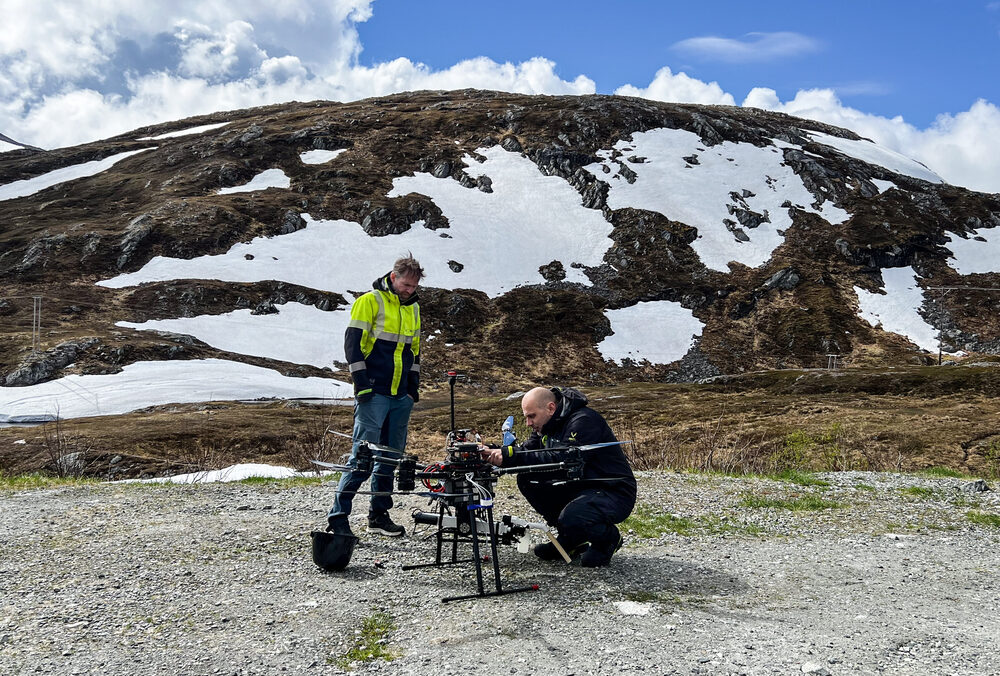
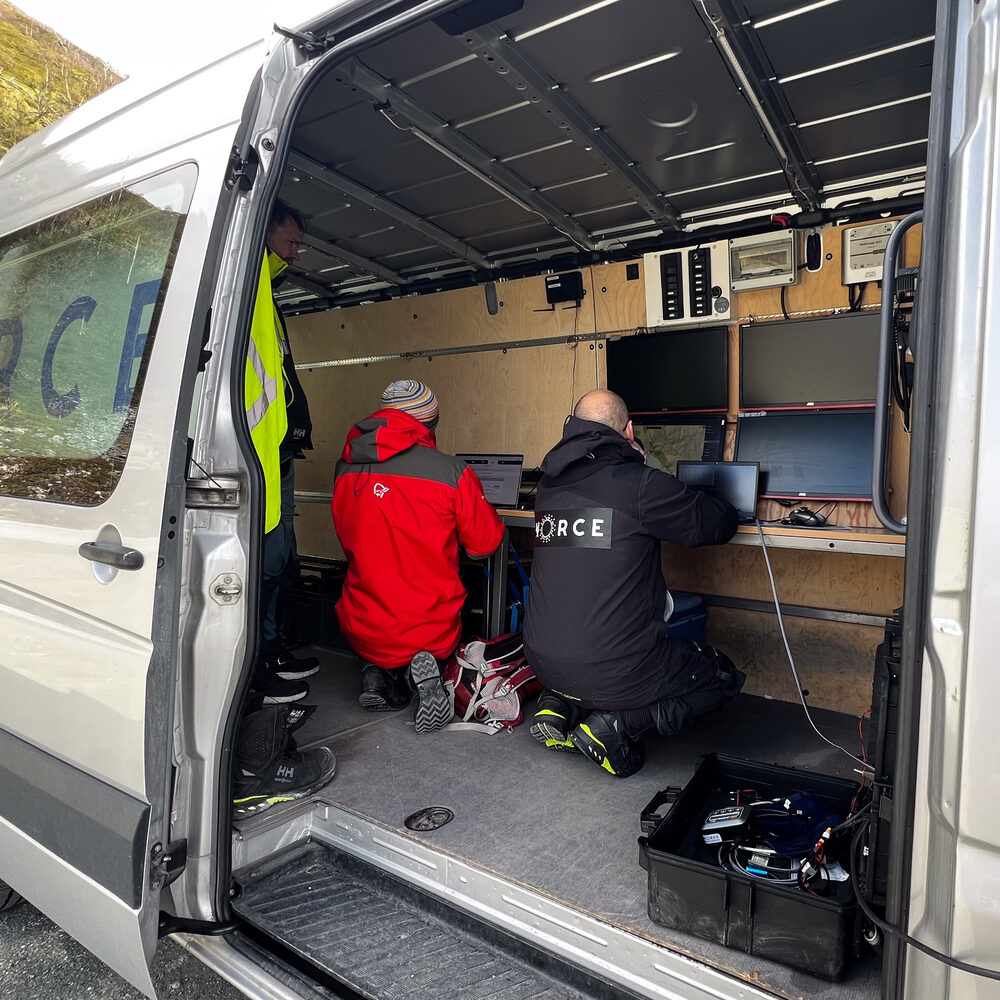
From left: Andreas Tøllefsen and André Kjellstrup preparing the drone for deployment. Photo: Katrine Jaklin, NORCE
At XTREAM, we study extremophiles: microorganisms capable of thriving in some of the planet’s most challenging aquatic ecosystems. Arctic regions, hypersaline environments and geothermal springs. To uncover their biotechnological potential, we need high-quality biological samples, often located in remote, fragile or difficult-to-reach areas.
When the path is challenging, innovation is the way forward.
Not a single footprint
In collaboration withresearchers from NORCE, we have tested a solution involving a drone equipped with a robotic arm and a compact suction system. With it, you can collect samples without touching the terrain.
Once the drone has landed at the selected location, the operator controls the arm remotely using a camera and remote control. The system inserts a tube into the snow and collects the biological material in a sampling container.
This technology was initially used to collect samples of snow algae, microorganisms that can grow in small patches on the snow’s surface, sometimes producing a subtle pinkish colour. Locating and accessing them manually can involve complex journeys and working in demanding conditions.
Proof of concept in the fieldwork
The initial validation tests were conducted at NORCE’s laboratory in Tromsø. The drone successfully collected a snow sample, and subsequent microscopic analysis confirmed the presence of living algae.
The system was then field-tested in Finnvikdalen, on Kvaløya. The samples collected there also contained viable microorganisms. These results demonstrate the feasibility of a complete workflow: from identifying a suitable area and remotely collecting material to subsequently analysing it in the laboratory.
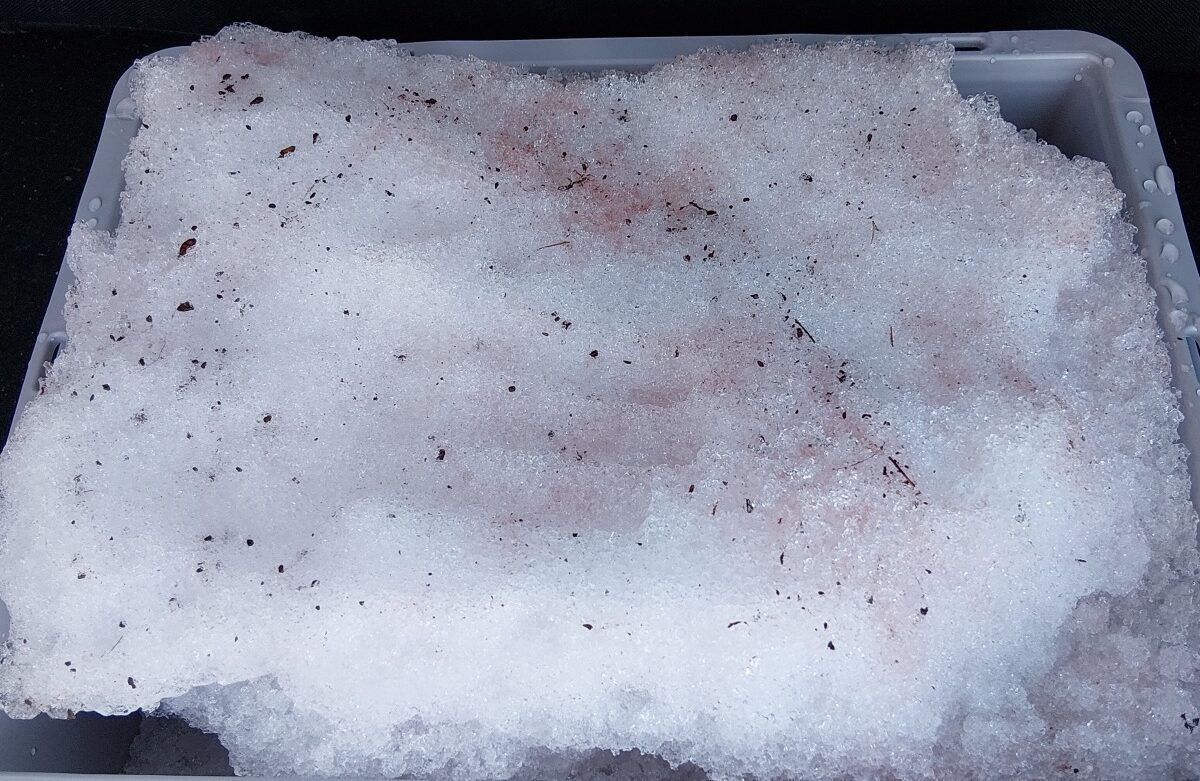
A snow sample was collected and brought to the laboratory. Photo: Håvard Snefjellå Løvås
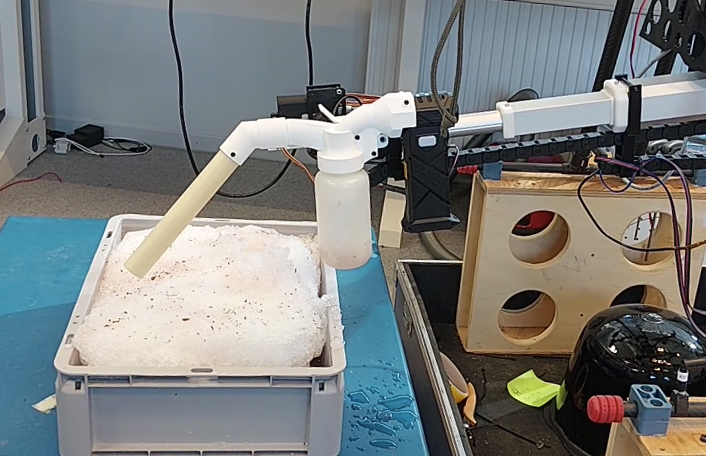
Testing of the vacuum system. Photo: Håvard Snefjellå Løvås
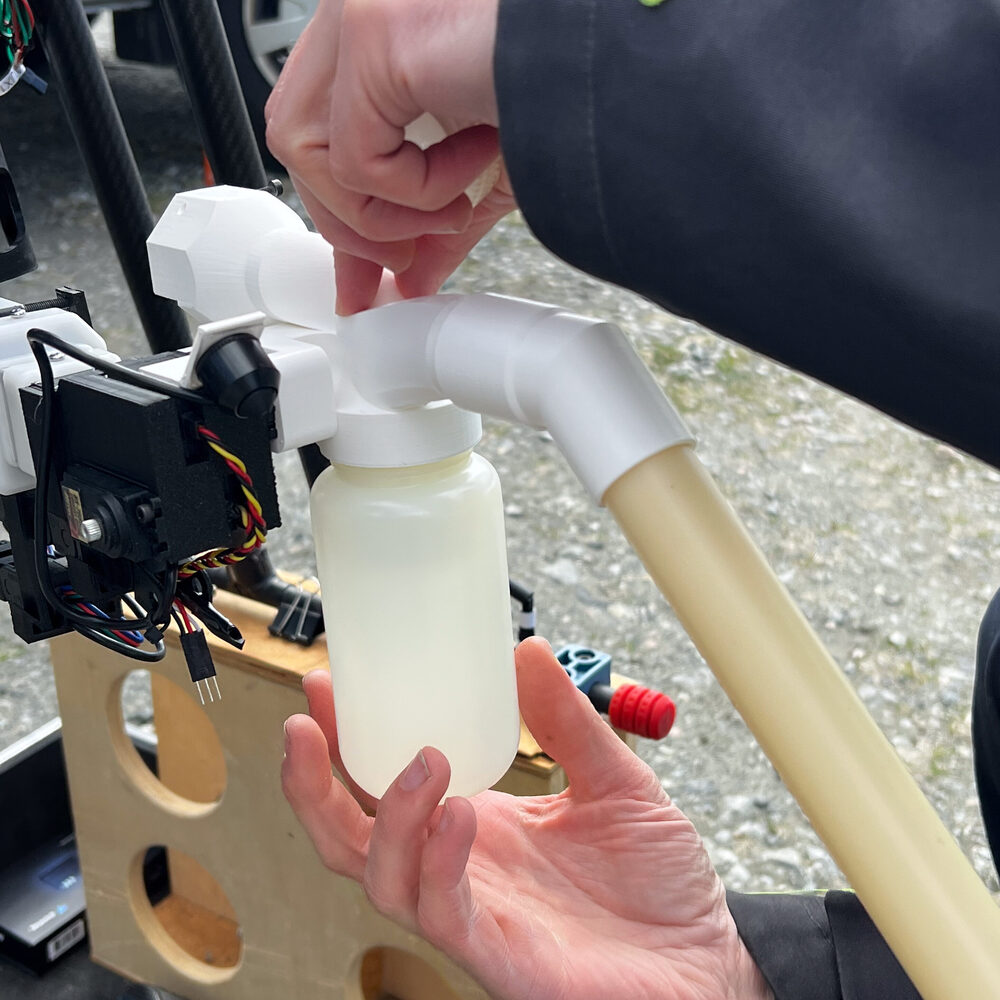
The snow sample is collected in a small bottle. Photo: Katrine Jaklin, NORCE
Testing of the vacuum system. Photo: Håvard Snefjellå Løvås
Our achievements
Using drones for sampling opens up significant opportunities for research in extreme environments:
- Greater safety, by reducing the need for researchers to access steep slopes or areas with unstable snow conditions.
- Improved efficiency, by shortening fieldwork tasks that have traditionally taken several hours.
- Less disruption to the environment, by limiting footfall and movement in sensitive areas.
- Better access to specific samples, even when microorganisms are distributed in small or difficult-to-reach patches.
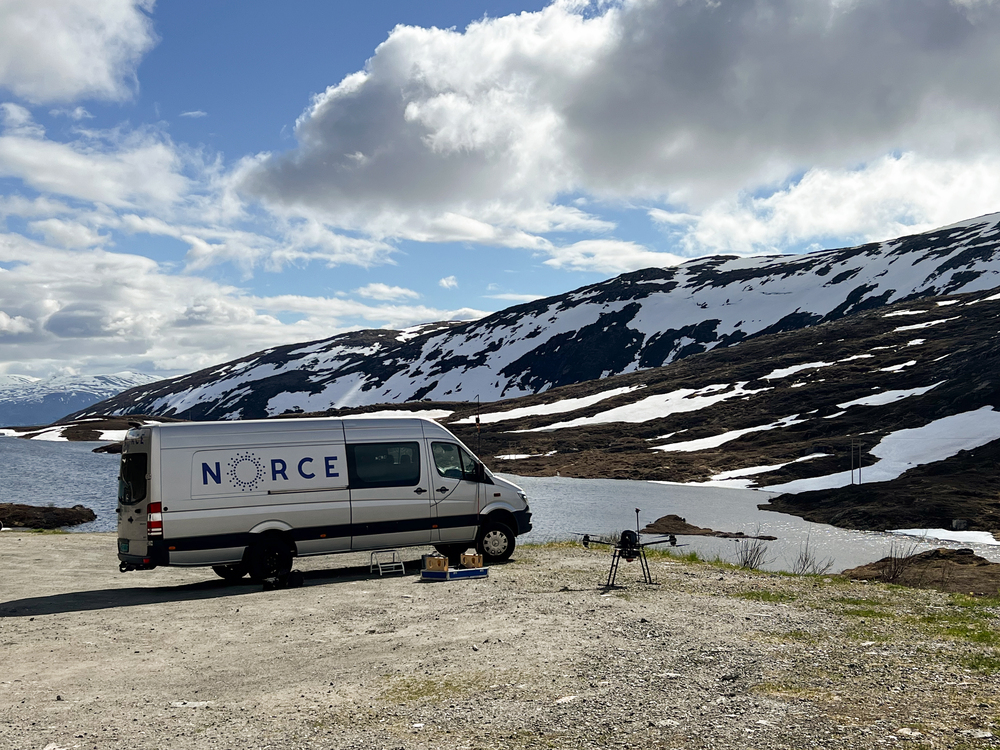
The snow algae were collected in Finnvikdalen near Tromsø. Photo: Katrine Jaklin, NORCE
Next steps
The current configuration can collect one sample per flight. The next objective is to make the system more robust and design it to collect multiple samples during a single mission, enabling larger and more comparable sampling campaigns.
At XTREAM, we believe that technological innovation is essential to accelerating the responsible exploration of microbial biodiversity. Solutions such as this help us broaden access to organisms that remain understudied and advance the identification of new enzymes, bioactive compounds and metabolic processes with potential applications in health, energy and environmental sustainability.
